
Author: Federico Olivieri
As we step into March 2026, the world of high-end watchmaking has transformed from just a stylish accessory into a genuine financial ecosystem. Even in this digital age, the industry is finding its footing, with the Italian market holding steady at around 1.87 billion euros. We’re experiencing what some might call the “paradox of imprecision”: while a budget-friendly smartwatch may boast better accuracy than a luxury timepiece worth tens of thousands of euros, buyers aren’t drawn to mechanical watches for their precision. Instead, they appreciate the unique way these pieces embody the passage of time.
The Engineering of Value: Beyond Quartz
The “heart” of a watch is what shapes its identity and ultimately its place in the market. Although the quartz movement, which emerged in the 1970s, offers unmatched precision at a low price, the real collectible allure lies within the realm of mechanical watchmaking. The manual-winding movement is the purest expression of this art, where energy is generated by the tension of a spring that’s wound via the crown. On the other hand, the automatic movement takes this idea further by incorporating a rotor that harnesses the motion of the wearer’s wrist. These “living” machines operate independently, free from the need for Wi-Fi, disposable batteries, or software updates, which shields them from the threat of becoming outdated. This blend of scientific accuracy, skilled craftsmanship, and a rich history spanning millennia justifies the prices that might seem outrageous to outsiders, but for true enthusiasts, they represent a wise and enduring investment.
Market Dynamics and New Consumers
The industry is really adapting to the latest trends in consumer behavior. There’s a noticeable uptick in interest for technical materials like ceramic, prized for its incredible scratch resistance, which helps keep these assets looking great over time. A noteworthy point is the rise of Generation Z, who are stepping up as major players in tax-free luxury purchases, making watchmaking a top choice alongside perfumes and cosmetics. Meanwhile, the pre-owned watch market, often referred to as the “Second Wrist,” has matured into a vital segment. With the help of certification platforms and international auctions that establish global pricing, buying a used watch has shifted from being a last resort to a savvy financial decision. The rarity of discontinued models, whether vintage or “neo-vintage,” often pushes their prices well beyond what they originally sold for.
From Wrist to Safe: The Watch as a Tangible Asset
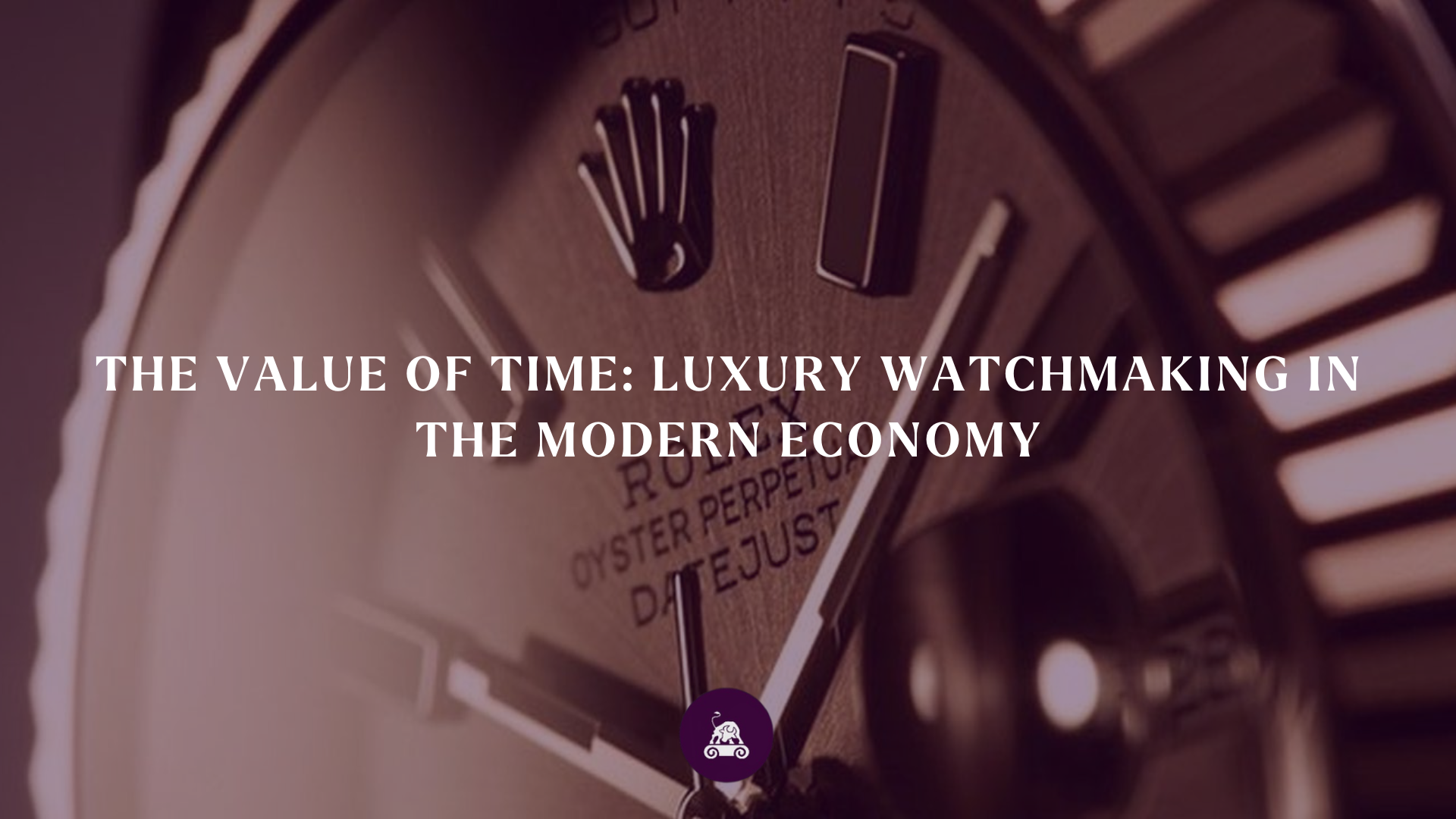
Unlike cars or smartphones that lose value the moment you buy them, high-quality watches tend to hold their value or even appreciate over time. Brands like Rolex, Patek Philippe, and Audemars Piguet—often called the “Big Three”—have turned their watches into tangible assets that can be taken anywhere in the world. Rolex, in particular, has done a fantastic job of bolstering its brand by ensuring steady price increases, transforming its watches into symbols of status and reliable investments. This trend is driven by artificial scarcity; iconic models like the Daytona or the Nautilus are nearly impossible to find at retail prices in stores, which has given rise to a grey market where prices can skyrocket, sometimes doubling or tripling.
Risk Management: Passion vs. Speculation
During times of economic uncertainty, many investors turn to rare collectibles to help shield their portfolios from inflation. But it’s crucial to differentiate between genuine collecting and mere speculation. After the market peak in 2022, a lot of hype-driven investments saw significant price corrections. The best investment, in my opinion, is one that brings personal joy. Even if the market value takes a hit, a true enthusiast will still have a remarkable piece of craftsmanship on their wrist. This is in stark contrast to stocks, which, if they crash, leave you with nothing but a dim number on a screen.