
Authors: Lucrezia Bottaro and Federico Olivieri
Italiano:
Hermès è ora una delle più grandi maison di moda, resistente al passare del tempo, intoccata dalle varie crisi finanziarie e imbattuta dai rivali.
Dunque, da dove deriva questo successo senza freni, che va oltre le mode passeggere e le generazioni?
La nascita di Hermès risale al 1837, anno in cui, nel laboratorio parigino di finimenti, Thierry Hermès, ispirato dalla modernità che offriva la città, diede inizio ad una produzione che combinava una discreta raffinatezza alla resistenza.
Passati quasi duecento anni dalla sua fondazione, spicca ancora il cognome Hermés tra i vertici dirigenziali d’azienda, ormai diventata potenza mondiale. Arrivati alla sesta generazione, possiamo definire la “conduzione familiare” uno dei punti di forza della maison, che la contraddistingue dalla maggior parte dei suoi concorrenti. Infatti, con il direttore artistico Pierre-Alexis Dumas, membro dell’attuale generazione al comando, si assicura l’identità del brand pur adattandosi ai cambiamenti del mercato e all’avvento della globalizzazione.
Ma cosa rende Hermès un caso unico ed inimitabile?
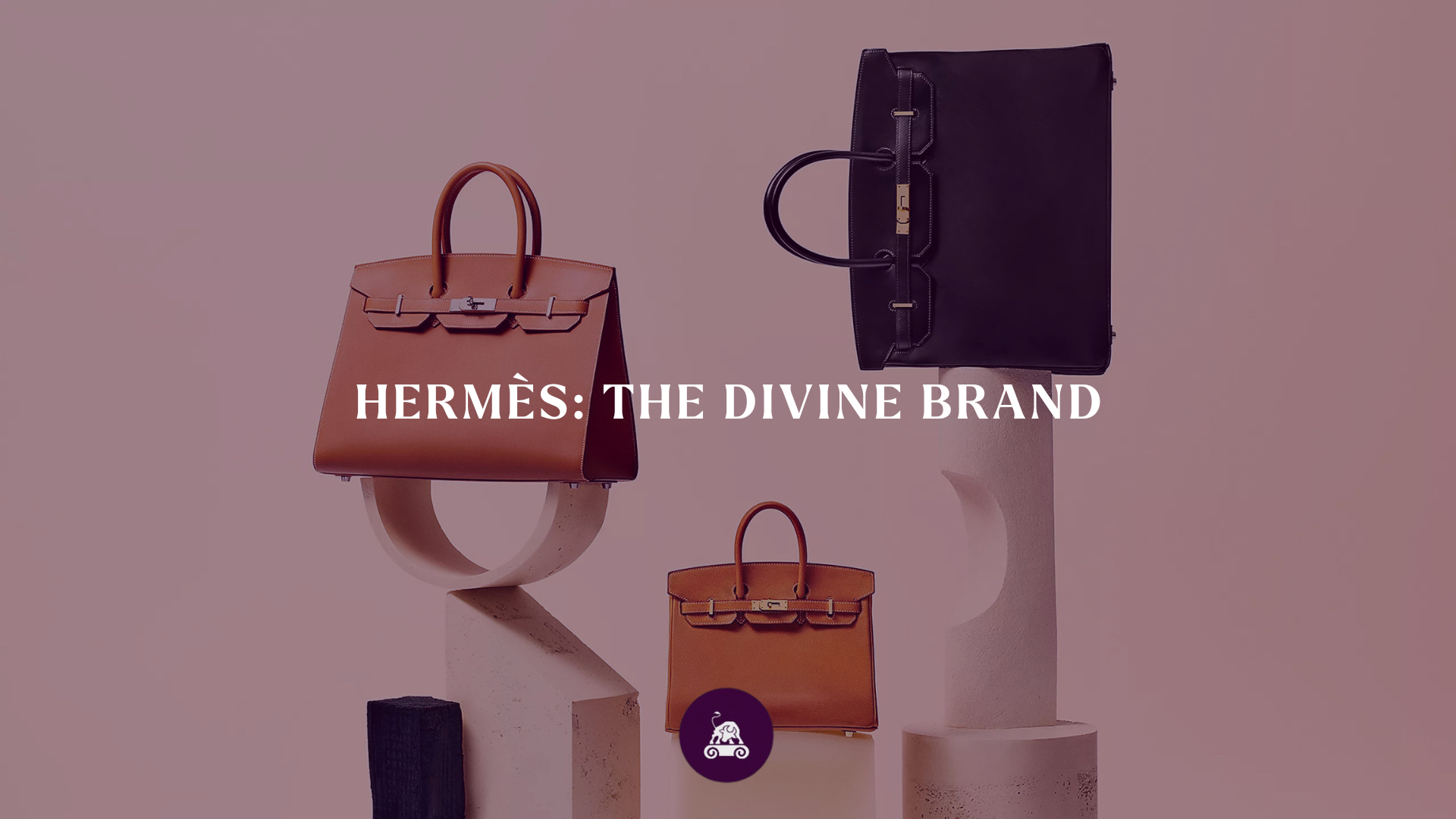
La chiave di tutto sta in una gestione attenta della desiderabilità, mantenuta nel tempo. In un’epoca in cui il “tutto e subito” sembra essere la norma, Hermès ha avuto il coraggio di rallentare, trasformando l’attesa in un elemento fondamentale dell’esperienza d’acquisto: la Maison non si limita a seguire la domanda, bensì la guida. Prodotti iconici come la Birkin o la Kelly non sono semplici accessori, ma veri e propri trofei. Rendendo i suoi articoli difficili da ottenere, Hermès li ha elevati a veri e propri asset di investimento, spesso più redditizi dell’oro o del mercato azionario. Chi acquista Hermès sa di portare a casa un oggetto che non sarà mai soggetto all’obsolescenza delle mode passeggere.
Questa desiderabilità senza tempo offre a Hermès un vantaggio finanziario che pochi altri brand possono vantare: un pricing power senza pari. La strategia di pricing della maison prevede aumenti costanti e regolari (storicamente tra il 4% e il 9% annuo), anche in contesti socio-economici ostici. Mentre altri marchi faticano a giustificare i rincari agli occhi dei consumatori, per Hermès l’aumento del prezzo diventa un ulteriore segnale di valore ed esclusività, appunto senza intaccare la domanda o la desiderabilità; è una strategia vincente che oggi molti concorrenti cercano di imitare, ma senza le solide basi storiche per sostenerla. Hermès ha dimostrato che, nel vero lusso, il prezzo non è un ostacolo, ma una certificazione di status, la quale rafforza la percezione di un lusso autentico, senza compromessi.
Tuttavia, un prezzo elevato richiede una giustificazione concreta, ed è qui che entra in gioco l’artigianalità: in un mondo globalizzato che tende a delocalizzare per ridurre i costi, Hermès va controcorrente, mantenendo la produzione saldamente legata alle sue radici. Ogni pezzo è realizzato in Francia, senza catene di montaggio anonime: una singola borsa è creata dall’inizio alla fine da un unico artigiano, che firma il suo lavoro. Questo legame profondo con il territorio e il savoir-faire umano rende il prodotto unico e giustifica, agli occhi del cliente, ogni euro speso.
In conclusione, Hermès non è solo una potenza mondiale per i suoi fatturati impressionanti, ma anche per il coraggio di rimanere fedele a sé stessa. Combinando la pazienza dell’artigiano con l’astuzia di una strategia di mercato esclusiva, ha creato un modello di business che non vende semplicemente prodotti, ma offre un pezzo di eternità, quasi paragonabile ad un manufatto artistico proveniente dall’antica Grecia. Proprio come il suo nome.
English:
Hermès has established itself as one of the most prestigious fashion houses in the world, standing strong against the test of time, weathering financial storms, and outshining its competitors.
So, what’s the secret behind this remarkable success that transcends fleeting trends and generations?
The story of Hermès began in 1837 when Thierry Hermès, inspired by the vibrant modernity of Paris, launched a production line in his harness workshop that beautifully blended subtle elegance with durability. Fast forward nearly two centuries, and the Hermès name still shines brightly within the company’s leadership, which has evolved into a global powerhouse. Now in its sixth generation, this “family leadership” is a defining strength of the Maison, setting it apart from most of its rivals. With artistic director Pierre-Alexis Dumas—a member of the current generation—at the helm, the brand skillfully maintains its identity while adapting to market shifts and the realities of globalization.
So, what sets Hermès apart as a truly unique and unmatched brand?
The answer lies in its meticulous management of desirability, which has been carefully nurtured over time. In a world where instant gratification is the norm, Hermès has bravely chosen to take a step back, turning the act of waiting into a vital part of the buying experience. The maison doesn’t just respond to demand; it shapes it. Iconic pieces like the Birkin and the Kelly aren’t just accessories; they’re coveted trophies. By making its products hard to come by, Hermès has transformed them into genuine investment assets, often outpacing gold or the stock market in value. Those who invest in Hermès know they’re acquiring something that will never fall victim to the whims of passing trends.
This timeless allure gives Hermès a financial edge that few brands can claim: unmatched pricing power. The brand’s pricing strategy includes regular increases, typically between 4% and 9% each year, even when the economic climate is tough. While other brands find it hard to justify raising prices to their customers, for Hermès, a price hike signals even more value and exclusivity, without dampening demand or appeal. It’s a successful approach that many competitors try to replicate, but they lack the strong historical roots to support it. Hermès has shown that in the realm of true luxury, price isn’t a barrier; it’s a badge of status that enhances the perception of genuine, uncompromising luxury.
That said, a high price tag needs solid justification, and that’s where craftsmanship shines. In a world that often outsources to cut costs, Hermès stands out by keeping production close to home. Each item is crafted in France, with no faceless assembly lines involved: a single artisan creates each bag from start to finish, signing their work. This deep connection to the local area and human expertise makes each product one-of-a-kind and justifies every euro spent in the eyes of the customer.
In summary, Hermès isn’t just a global powerhouse because of its impressive revenue; it’s also about the bravery to stay true to its identity. By blending the artisan’s patience with a savvy market strategy, it has built a business model that doesn’t just sell products but offers a slice of eternity, almost like an artistic treasure from ancient Greece. Like its name.