
Author: Martina Lelli
The end of the 2024 Milan and Paris Fashion Weeks has marked significant changes in the leadership of several renowned luxury brands, with multiple creative directors announcing their departures. Notable exits include Hedi Slimane from Celine, Filippo Grazioli from Missoni, Kim Jones from Fendi, and Alberta Ferretti from her eponymous brand. Such exits underline an ever-evolving landscape in the fashion industry, as some designers left after endured years of success, while others departed following brief tenures, raising questions about the pressures they face. Corporate strategies, brand reorganizations and the increasing demands on designers coordinating various roles often drive these changes. This article will first outline the luxury firms that have experienced such departures. Secondly, it will explore the underlying reasons for such actions. Thirdly, common patterns and trends emerging from these shifts will be analyzed and, finally, the discussion will focus on how these changes and the potential implications reflect broader industry dynamics within the luxury sector.
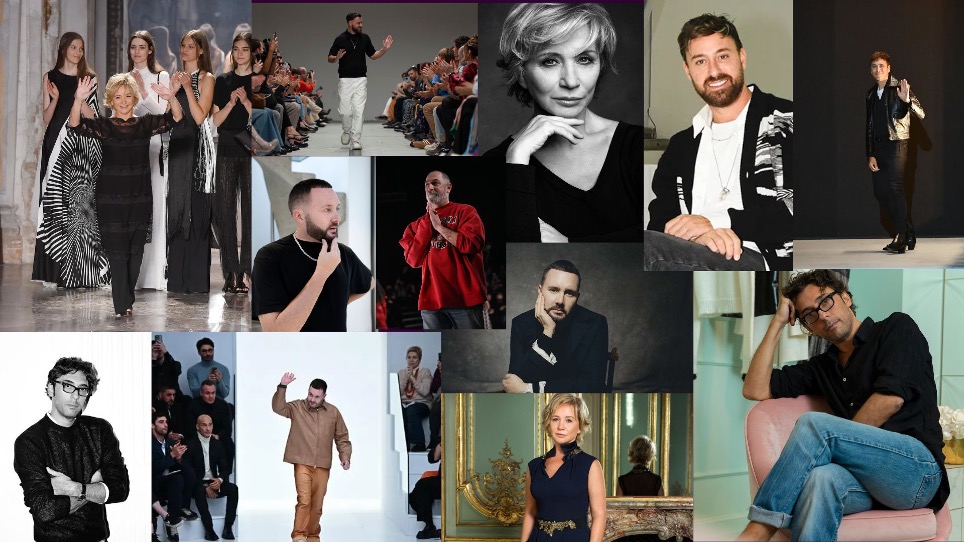
First of all, a delineation of the brands that have witnessed the departures of their creative directors is fundamental to understand the mechanisms beyond luxury firms alterations. The opening step that caused such “domino effect” has been taken by Hedi Slimane, creative director of Celine since 2018. Over the duration of his tenure, the designer extraordinarily contributed to the commercial success of the prestigious company by doubling the annual revenues to €2.5 billions. This has been possible thanks to his outstanding talent: he added menswear for the first time in the brand’s 79-year history and expanded the brand to high-end perfumes and beauty. However, Micheal Rider – senior brand creative director of Polo Ralph Lauren- has promptly substituted Slimane. He worked for Celine for ten years during the era of Phoebe Philo and, therefore, his vision and innovative skills have not been forgotten. The second to depart from the luxury world was Filippo Grazioli, Missoni’s designer of the last two years. Even though the creative director had a huge impact on the growth of the brand, his role has been briefly vacant as it was soon replaced by the Missoni veteran Alberto Caliri. Succeeding Angela Missoni in 2021 and then moving to Missoni Home, he has been selected to guide the Italian firm in this phase of the brand, in which such an experience in knitwear and fabric processing is required. Livio Proli, CEO of Missoni, has declared the essentiality of the collaboration of Caliri as a new unique lifestyle collection has been planned to harmoniously merge menswear, womenswear, and home. Thirdly, Kim Jones and Fendi departed ways, confirming many rumors that were circulating in the fashion industry in the last year. The British designer assumed the role of creative director of the Roman fur and leather goods house in 2020, following the death Karl Lagerfeld in 2019, with the aim to start a new cycle of development of the Maison. Jones has made remarkable contributions to the creative legacy of the brand, seamlessly integrating his modern and intercultural aesthetic with the historical heritage of Fendi. Differently from the previous two firms, Fendi has still not found a replacement. Finally, Alberta Ferretti retires after 40 years at the helm of her namesake brand. She will be succeeded by Lorenzo Serafini, who will present his first collection in February 2025. After forty years of tenure, Ferretti will continue as vice president of Aeffe Group, and the brand will incorporate “Philosophy”, the line of Serafini of 1984.
Secondly, three key possible reasons behind the departures have been formulated to explain such phenomenon. To start with, contractual and creative tensions played a fundamental role: Slimane’s exit from Celine was reportedly due to prolonged contract negotiations with LVMH’s chairman, Bernard Arnault, for months before his exit and disagreements over creative control. These disputes involved the demand of the designer for enhanced creative autonomy, including aspects such as store designs and royalties on products, for instance perfumes. Additionally, Slimane’s unconventional approach, such as his preference for virtual runway shows and distancing from traditional editorial coverage, may have contributed to growing friction between him and the company. This combination of business and creative conflicts suggests increasing disputes between creative directors’ visions and the financial or operational goals of the corporate management, ultimately leading to designer’s departures. Another motivation regards shifts in the brand strategy; in the case of Missoni, Grazioli’s amicable departure aligned with a strategic pivot towards a cohesive, lifestyle-focused collection under the leadership of Alberto Caliri, who had been with the brand since 1998. Furthermore, Ferretti’s exit marked a generational alteration, as she transferred creative responsibilities to Serafini to guarantee the Maison’s continued evolution under a modern and juvenile creative leadership. Such shifts indicate brand’s direction towards a balanced unification of creative decisions and commercial restructuring, rather than purely aesthetic reasons. Lastly, the issue of balancing multiple roles is vital in understanding departures such as the one of Jones from Fendi; managing creative leadership across various brands presented a challenge to the designer, who eventually decided to focus solely on Dior’s menswear. This move originates as part of a broader trend in the fashion industry, where creative directors often juggle multiple roles across brands and an increasing need for specialization is demanded in a developing competitive industry.
Thirdly, from the above written reasons, it is possible to identify patterns and common themes. Primarily, corporate influence is the outstanding motivation behind such frequent turnovers: financial and operational pressures cause growing tensions as creative autonomy is weighed against corporate profitability and brand expansion. Additionally, generational shifts are commonly one of the causes of the change of designers. Ferretti’s departure mirrors a more peaceful transition as a veteran designer retires to allow for a structured succession plan. Another common pattern is internal promotion and strategic shifts. Brand such as Missoni and Celine have quickly replaced the departing designers with familiar figures within the Maisons, suggesting a preference for continuity and familiarity, especially in times of transitions. Finally, global market dynamics also impact high-end firm’s world; the emphasis on expanding presence of brands also in daily life and product diversification depicts a wider market trend, in which luxury firms aim at enlarging beyond fashion. Clear examples of such theme are Celine’s attention on fragrances and high-end beauty cosmetics and Missoni’s concentration on home collection and attempt to unify it with womenswear and menswear.
Therefore, it is crucial to extract implications for the fashion industry from such causes and prevalent trends. The frequent turnover of creative directors, coupled with strategic shifts, portraits a volatile landscape where corporate considerations often outweigh creative visions. However, the swift internal successions witnessed at Missoni and Alberta Ferretti imply that luxury houses are still committed to maintaining their brand DNA and creative heritage. The promotion of familiar figures from within such high-end houses underlines the industry’s focal point on continuity amid change, ensuring that while new directions are explored, the core values defining these houses remain intact. A balance between innovation and legacy is of paramount importance as luxury firms navigate and tackle an increasingly competitive and evolving market.
In conclusion, the wave of departures among designers means more than just individual exits; it reflects more profound variations within the luxury fashion ecosystem. As brands aim at expanding into new markets and diversify their product offerings, creative leadership becomes a delicate balancing act between preserving brand identity and meeting corporate expectations. While this transitional period presents challenges, it also offers opportunities for reinvention, ensuring that luxury brands remain dynamic and responsive to the evolving demands of both their customers and the global market. Ultimately, the resilience of such houses will hinge on their ability to adapt while remaining faithful to their creative roots.
Biblioghraphy
Calzaretta, Matteo. “Lorenzo Serafini è Il Nuovo Direttore Creativo Di Alberta Ferretti.” QuiFinanza, 16 Oct. 2024, quifinanza.it/lifestyle/lorenzo-serafini-alberta-ferretti/857676/. Accessed 22 Oct. 2024.
Col, Chiara Da. “Missoni, Filippo Grazioli Lascia: Il Nuovo Direttore Creativo è Alberto Caliri.” Vanity Fair Italia, Vanity Fair Italia, 3 Oct. 2024, www.vanityfair.it/article/filippo/grazioli/lascia/missoni/nuovo/direttore/creativo. Accessed 22 Oct. 2024.
Flaccavento, Angelo. “Alberto Caliri Replaces Filippo Grazioli at Missoni.” The Business of Fashion, 3 Oct. 2024, www.businessoffashion.com/news/luxury/alberto-caliri-replaces-filippo-grazioli-at-missoni/. Accessed 22 Oct. 2024.
Maguire, Lucy. “Kim Jones Lascia Fendi, Dove è Stato Direttore Creativo per 4 Anni.” Vogue Italia, 11 Oct. 2024, www.vogue.it/article/kim-jones-lascia-fendi. Accessed 22 Oct. 2024.
Noseda, Camilla. “Lorenzo Serafini è Il Nuovo Direttore Creativo Di Alberta Ferretti.” Harper’s BAZAAR, 15 Oct. 2024, www.harpersbazaar.com/it/moda/tendenze/a62609320/lorenzo-serafini-nuovo-direttore-creativo-alberta-ferretti/.Accessed 22 Oct. 2024.
Prosperi, di Alice. “Kim Jones Lascia Fendi Ma Rimane in Dior.” MF Milano Finanza, Milano Finanza, 10 Nov. 2024, www.milanofinanza.it/fashion/kim-jones-lascia-fendi-ma-rimane-in-dior-202410111828421794. Accessed 22 Oct. 2024.
Williams, Robert, and Vikram Alexei Kansara. “Hedi Slimane Is Exiting LVMH’s Celine.” The Business of Fashion, 2 Oct. 2024, www.businessoffashion.com/articles/luxury/hedi-slimane-is-exiting-lvmhs-celine/. Accessed 22 Oct. 2024.