
Author: Martina Lelli
When we talk about the origins of modern fashion, we often risk telling only half the story. Behind the evolution of elegance, prêt-à-porter, and the very idea of femininity stand women—designers, couturières, and visionaries who transformed needle and thread into instruments of emancipation. They liberated bodies, challenged conventions, and imagined new worlds. This reflection is dedicated to them.
The story begins with Jeanne Lanvin, one of the first women to assert herself in the industry. In 1889, she founded her namesake maison, now one of the oldest still in operation. With her refined, maternal elegance, she dressed an entire generation of women in the 1920s and ’30s, leaving an unmistakable mark on couture.
In Italy, Rosa Genoni was doing far more than designing clothes. A teacher, journalist, and activist, she fought for women workers’ rights and for the development of a conscious, national fashion industry. She is, in many ways, a forerunner of what we now proudly call Made in Italy.
Then came Madeleine Vionnet, the architect of fashion, who introduced the revolutionary bias cut. To her, we owe the liberation from corsets and crinolines. Her fluid silhouettes and draped designs allowed women to move naturally—graceful, unbound, and modern.
Often overlooked but essential is Henriette Negrin, lifelong partner and creative force beside Mariano Fortuny. She is the true inventor of the iconic Delphos gown—silk, pleated, luminous—though history often attributes it to her husband.
And of course, Coco Chanel, who rewrote femininity with a minimalist, garçonne-inspired style drawn from menswear and sportswear. She was the first designer to associate her name with a perfume—Chanel N°5—paving the way for fashion as a full cultural universe.
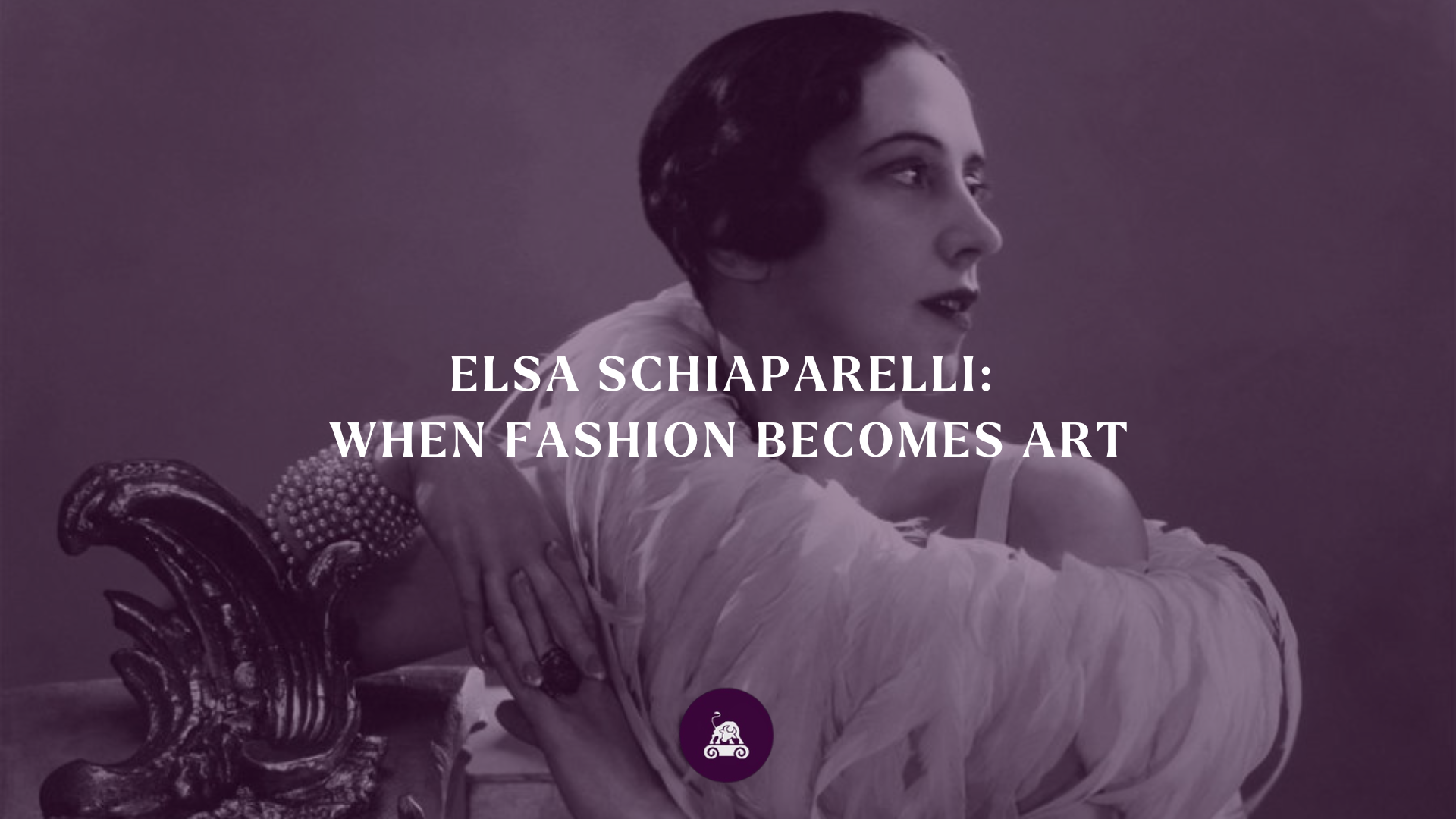
Elsa Schiaparelli, with her surrealist collaborations, shocking pink, and unapologetically visible zippers, pushed fashion into the realm of art and provocation. Madame Grès sculpted dresses inspired by classical antiquity, while Claire McCardell pioneered American sportswear, proving that practicality could be elegant and empowering.
The mid-20th century saw figures like Fernanda Gattinoni, a pillar of Rome’s postwar fashion scene and an early icon of Italian cinema costume design; Mary Quant, whose miniskirt symbolized the cultural revolution of the ’60s; and Vivienne Westwood, the rebellious queen of punk, redefining femininity through subversion.
Closing this lineage is Rei Kawakubo, who dismantled Western ideas of beauty with Comme des Garçons, and Miuccia Prada, the undisputed intellectual of contemporary fashion—creator of the ugly-chic aesthetic that still shapes modern style.
Fashion, as we know it today, exists thanks to these women. Some famous, others unjustly forgotten, all essential. They dressed—and undressed—women to grant them freedom. The question is not whether they changed fashion. It’s how profoundly they continue to shape the present.