
Author: Alessandra Gherardi
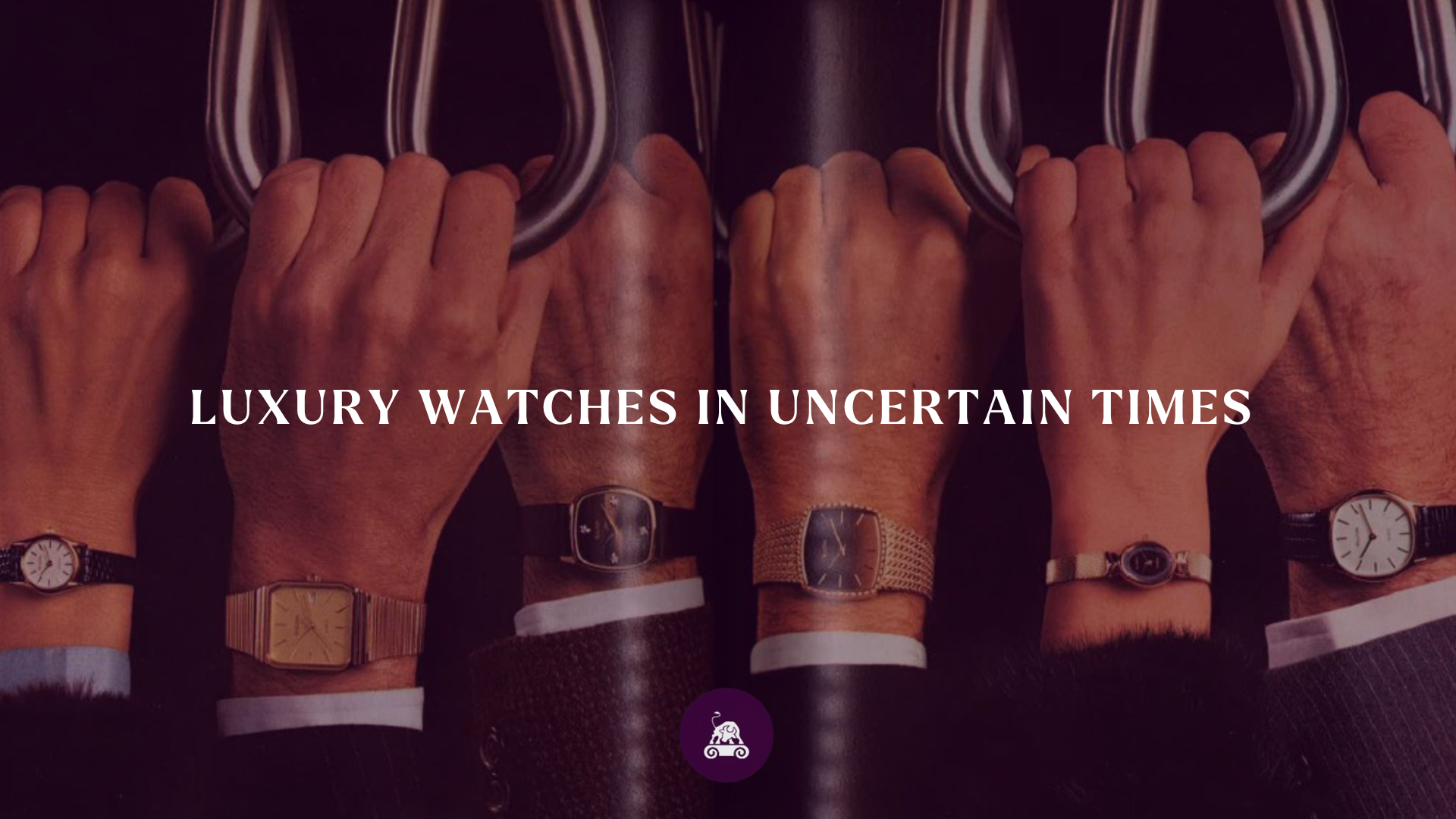
The current international economic and social phase is certainly not one in which the luxury industry is experiencing particularly bright prospects. Uncertainty related to tariffs and the geopolitical situation is increasingly affecting market dynamics, including in the luxury sector. However, the watchmaking sector shows mixed—sometimes positive—signals, which can only be attributed to Switzerland, a key country for this industry.
Data from the Fédération de l’Industrie Horlogère show that, in the months following the introduction of tariffs, Swiss exports recorded a decline. In September, the drop was 3.1%, but without the downturn in the U.S. market, significant growth would have been observed. Considering that Switzerland accounts for more than half of the global industry’s revenue and exports over 90% of its production, the importance of the U.S. market is evident.
Hard luxury brands have therefore focused on raising prices, with increases of 10% for Cartier and 15% for Patek Philippe. At Cartier, watches still in production are on average 31% cheaper than the new versions. Average prices for Omega and IWC models on the secondary market are about 40% lower. Transaction volumes for these three brands have surged, and prices are now stabilizing.
The undisputed market leader, Rolex, shows a distinctive trend, as it is the only brand whose watches on the secondary market are significantly more expensive (around 15.7% higher) than their retail price. The pre-owned market is expanding rapidly, but the brand has leveraged its strong pricing power, reinforcing its positioning as a collectible asset without lowering prices.
The luxury watch industry nevertheless demonstrates a remarkable ability to adapt through price increases, the strengthening of the secondary market, and increasingly sophisticated positioning strategies, brands continue to preserve both value and desirability.